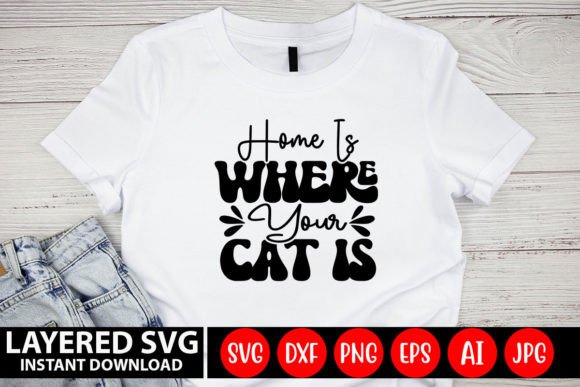
Home is Where Your Cat is RETRO DESIGN
As an embroidery designer and product reviewer, I’ve seen my fair share of digital files. But when I came across Home is Where Your Cat is RETRO DESIGN, I knew it had the potential to stand out in a crowded market. This design isn’t just about a cat—it’s about nostalgia, personality, and a unique visual identity that could work well in a variety of handmade and commercial projects.
The First Impression
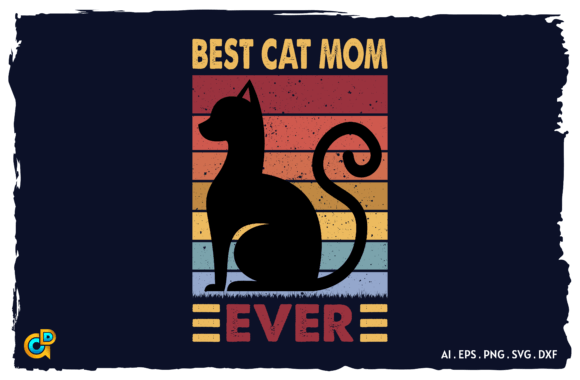
From the moment I opened the SVG file, I was struck by the retro aesthetic. The layout is clean, with a strong central image of a cat that feels both playful and timeless. The typography is bold and readable, making it ideal for use on apparel, tote bags, or even baby items. The overall mood is warm and inviting, which makes it perfect for personal or commercial use in the crafts category.
The design’s structure is straightforward, which is great for embroidery. There are no overly complex elements that might complicate stitching. Instead, it relies on simple shapes and clear lines that translate well into machine embroidery. It’s a design that feels like it was made with practicality in mind, not just aesthetics.
Real-World Embroidery Use Cases
One of the first things I thought about was how this design would look on a custom embroidered tote bag. The retro vibe pairs perfectly with a canvas tote, making it a great choice for a small shop product or an Etsy listing. It also works well as a sweatshirt embroidery—especially for a casual, laid-back brand or personal item.
For baby items, the design has a softness that doesn’t feel too flashy. It could be used on onesies, blankets, or nursery decor without overwhelming the space. As an applique design, it could be added to a quilt or pillow cover for a cozy, personalized touch.
I also considered how it might work on caps or hats. The design is compact enough for a small hoop, but I’d recommend checking the exact dimensions before starting. For larger projects, like a kitchen towel or apron, the design’s simplicity ensures it won’t get lost in the fabric texture.
Where to Be Careful
While Home is Where Your Cat is RETRO DESIGN is versatile, there are a few areas where care is needed. If you’re working with small hoop sizes, the design might require some trimming or repositioning. It’s also important to consider the fabric type. On thin or stretchy materials, the design might not hold up as well, so using the right stabilizer is key.
On dark fabrics, the contrast between the design and the background may need adjustment. If the design is meant to be visible, ensure the thread colors are appropriate. For intricate details, especially in the cat’s face or the text, double-check the stitch density to avoid any gaps or inconsistencies.
This design isn’t ideal for curved surfaces like caps or hoods, where the shape might distort. It also isn’t suited for dense stitch areas or products that will be washed frequently. If you plan to sell finished items, make sure the licensing allows for commercial use and that the design meets your brand’s standards.
Visual Appeal and Customer Reaction
When it comes to visual appeal, Home is Where Your Cat is RETRO DESIGN is eye-catching without being over-the-top. It has a nostalgic charm that resonates with many people, especially those who love retro styles or have a pet. Customers often respond positively to designs that feel personal and meaningful, and this one has that quality.
It also adds value to handmade products. A well-executed embroidery project can increase customer trust and make your offerings more desirable. Whether it’s a personalized gift or a boutique item, this design can help elevate your craft business or Etsy shop.
For commercial embroidery, this design offers a balance between creativity and practicality. It’s easy to adapt, fits a range of projects, and can be used in printable mockups or digital product previews. It’s a solid choice for anyone looking to expand their design assets.
Practical Designer Notes
Before jumping into any embroidery project, I always recommend testing the design on scrap fabric. This helps you see how the stitches will look on your chosen material and whether the design needs adjustments. Check the thread color contrast, especially if you’re using it on dark or light backgrounds.
Review the stitch density to make sure it’s appropriate for the fabric you’re using. If the design is too dense, it might cause puckering or wear out faster. Confirm the hoop size required for the design and ensure your machine can handle it. Small details, like the cat’s eyes or the text, should be inspected closely for clarity.
Test the design in black and white mockups to see how it looks without color. Compare it on different fabric backgrounds to ensure it remains visible and appealing. Always use the proper stabilizer for the fabric type, and make sure the design works for both personal and commercial projects.
If you’re selling finished items or digital products, confirm the licensing terms before proceeding. This ensures you’re compliant and avoids any legal issues down the line.
Final Thoughts
Home is Where Your Cat is RETRO DESIGN is a solid addition to any embroidery designer’s toolkit. It’s versatile, visually appealing, and suitable for a wide range of projects. Whether you’re a small shop owner, an Etsy seller, or a hobbyist, this design offers practical value and creative potential.
With careful consideration of fabric, hoop size, and stitch density, it can become a standout piece in your collection. It’s a design that feels right at home in the world of crafts and graphics, and one that could easily find its way onto a custom apparel, personalized gift, or commercial embroidery project.