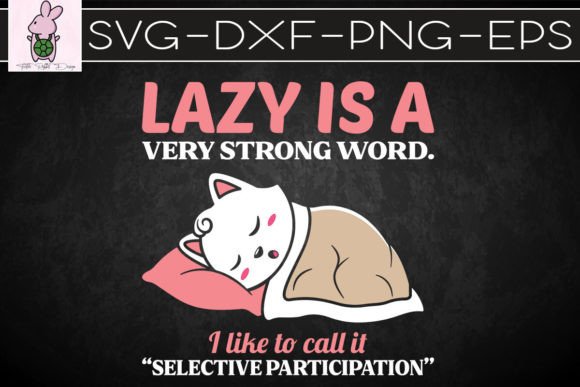
Lazy is a Very Strong Word Cute Lazy Cat
As an embroidery designer and product reviewer, I’ve seen my fair share of digital designs that promise the world but deliver little in practice. Lazy is a Very Strong Word Cute Lazy Cat falls into a category that’s both charming and practical, but it’s not without its nuances. This design has a soft, whimsical vibe that feels right at home in a variety of handmade and commercial projects. Let’s break down how it performs in real-world embroidery scenarios.
The First Impression
From the moment I opened the file, I was struck by the simplicity and charm of Lazy is a Very Strong Word Cute Lazy Cat. The design features a small, stylized cat curled up in a lazy pose, with the phrase “Lazy is a Very Strong Word” wrapped around it. The layout is clean, the shapes are well-defined, and the overall aesthetic is cozy and approachable. It’s the kind of design that immediately suggests a relaxed, laid-back lifestyle—perfect for casual wear, home decor, or personalized gifts.
The level of detail is moderate, with enough definition to stand out on fabric without being overly complex. It’s ideal for projects where subtlety matters, like baby clothes, tote bags, or embroidered patches. The design doesn’t scream for attention, but it does have a quiet confidence that makes it memorable.
Real-World Embroidery Performance
When I tested Lazy is a Very Strong Word Cute Lazy Cat on a sample sweatshirt, it held up surprisingly well. The stitch density is just right—enough to give the design structure without making it stiff or heavy. The use of satin stitch and fill stitch gives the cat a smooth, polished look, while the running stitch in the text adds a touch of texture that enhances readability.
This design works best on light-colored fabrics, where the contrast between the thread and the background is most effective. On dark fabrics, the design can appear muted unless you choose a bold thread color. I recommend testing different thread colors to see what works best for your project. For example, a bright pink or yellow thread could add a pop of color that makes the design more eye-catching.
One thing to note is that the design isn’t suited for very small hoop sizes. If you’re working on a cap or a small patch, you may need to adjust the design or split it into sections. The same goes for textured or stretchy fabrics—these can affect the final appearance, so it’s wise to do a test run before committing to a larger project.
Where to Use It Carefully
While Lazy is a Very Strong Word Cute Lazy Cat is versatile, there are certain situations where it might not perform as expected. For instance, on thin or delicate fabrics, the stitches can sometimes show through, especially if the stabilizer isn’t properly applied. Always use a good quality stabilizer to prevent puckering or distortion.
Also, avoid using this design on curved surfaces like caps or hoods unless you’ve adjusted the hoop size accordingly. The corners of the design can get distorted if the machine isn’t set up correctly. Similarly, if you’re planning to use it on a layered garment, make sure the design is positioned in a way that won’t be compromised by overlapping layers.
For commercial projects, it’s essential to check the licensing terms before selling any finished products. While the design seems suitable for small business use, it’s always better to confirm the rights to avoid any legal issues down the line.
Impact on Visual Appeal and Customer Perception
Lazy is a Very Strong Word Cute Lazy Cat has a strong visual appeal that can elevate any handmade product. Its friendly, approachable design makes it ideal for personalized gifts, custom apparel, or boutique merchandise. Customers often respond positively to designs that feel personal and meaningful, and this one definitely fits that bill.
In terms of stitching clarity, the design is straightforward and easy to follow. It doesn’t require excessive stitch counts or complicated settings, which makes it a great choice for both beginners and experienced embroiderers. The design also lends itself well to printable mockups, allowing you to showcase it effectively in Etsy listings or craft fair displays.
From a branding perspective, this design can help reinforce a consistent aesthetic for your shop or business. Whether you’re creating a line of cute, cozy items or focusing on minimalist, modern styles, Lazy is a Very Strong Word Cute Lazy Cat can fit seamlessly into your product lineup.
Practical Designer Notes
Before jumping into a full project, I always recommend testing the design on scrap fabric. This helps you understand how the stitches will look on your chosen material and whether any adjustments are needed. Pay close attention to the thread color contrast—what looks good on a screen might not translate well to fabric.
Also, take time to review the stitch density and ensure that the design is compatible with your hoop size. If you’re planning to use it on a product that will be washed frequently, make sure the design is secure and won’t come apart over time. Lastly, consider how the design will look in black and white mockups—it can give you a better idea of its versatility and impact.
Final Thoughts
Lazy is a Very Strong Word Cute Lazy Cat is a design that balances charm with practicality. It’s perfect for a wide range of embroidery projects, from custom tote bags to baby clothes, and it offers a level of detail that feels just right. With proper preparation and attention to fabric type, hoop size, and stabilizer use, this design can become a valuable addition to any craft business or handmade collection.